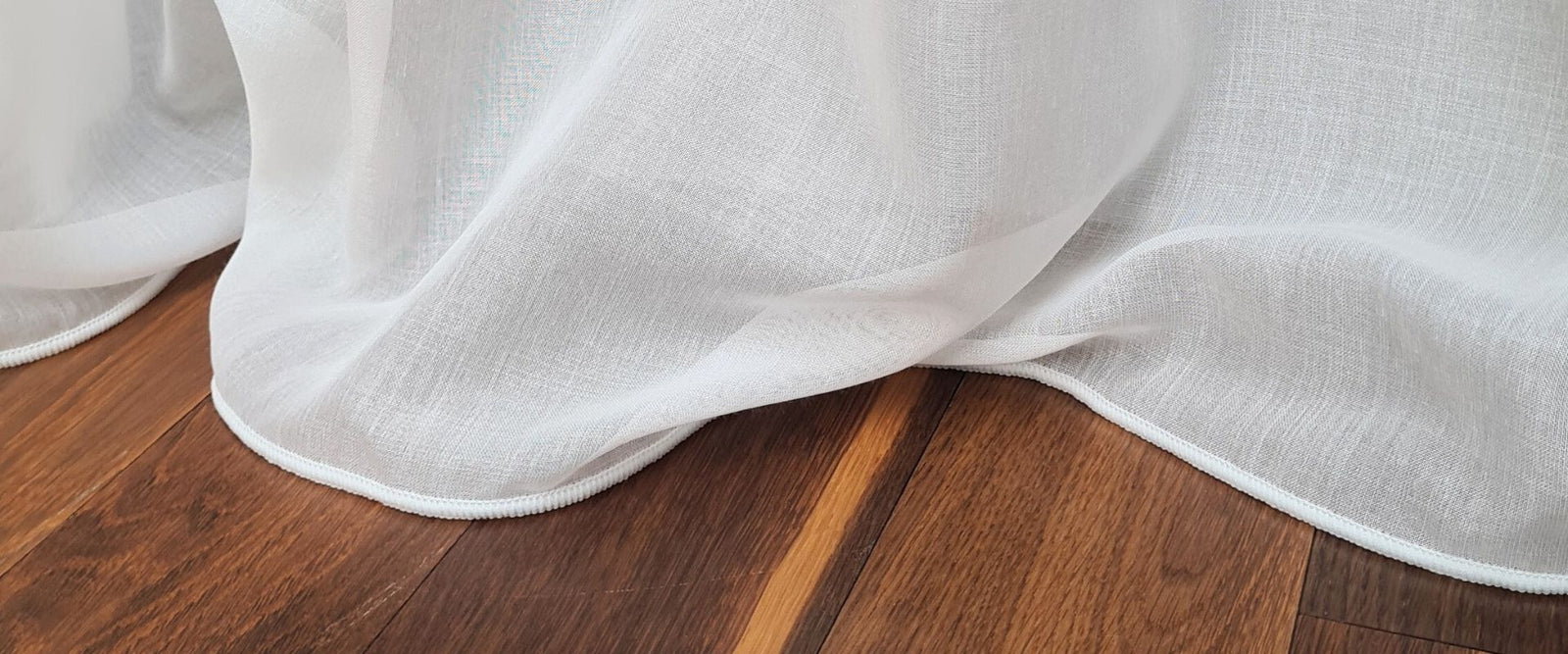





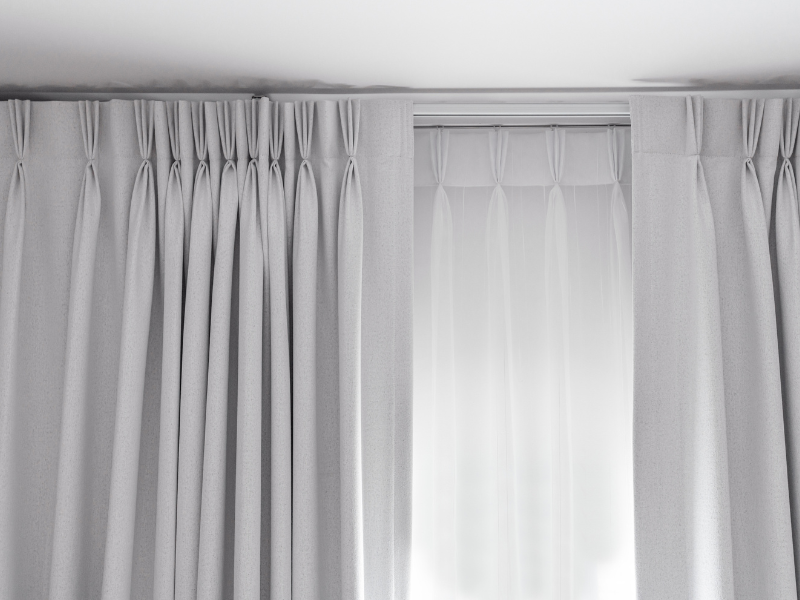















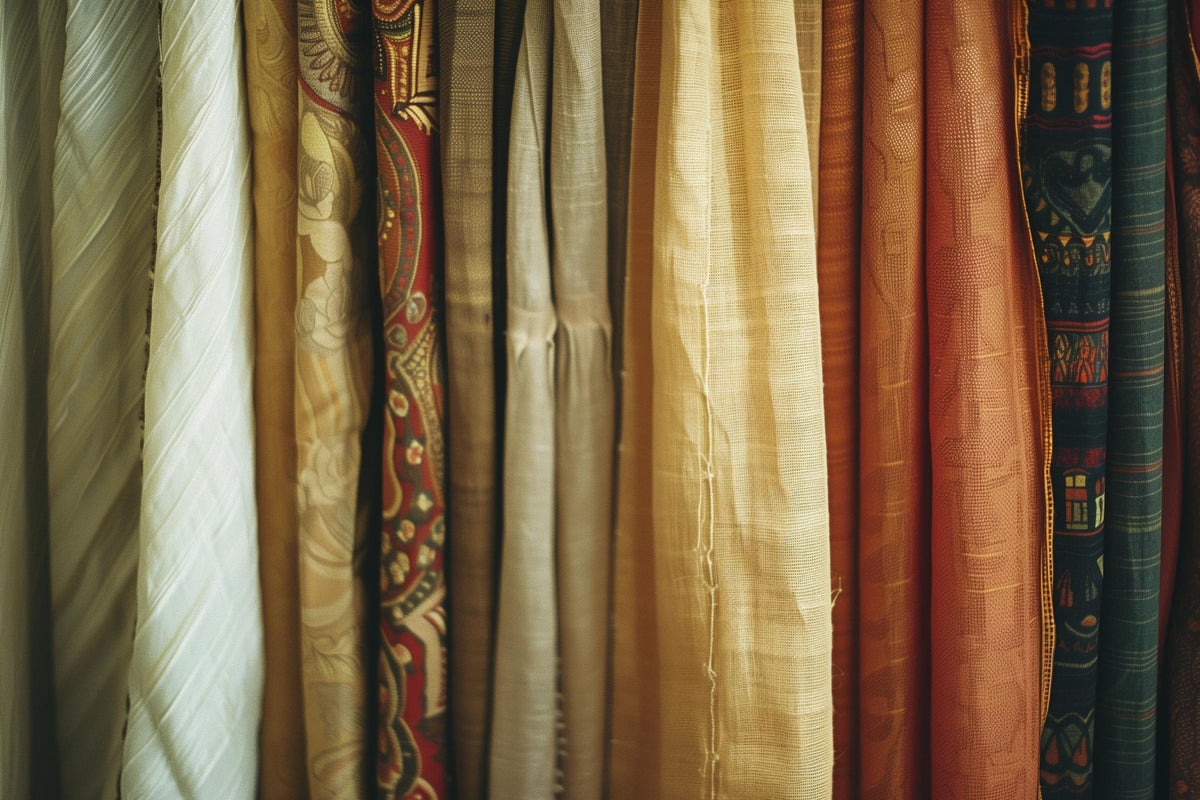


Curtains are an essential element of interior design. They can significantly alter the look of a room and influence its atmosphere. However, curtains can also attract dust and dirt and therefore require regular cleaning and maintenance.
1. Why you should wash curtains
Since curtains have a significant impact on a room's design, it's important to wash and care for them regularly. Curtain rods and chains often use metal, which oxidizes and tarnishes over time. The curtains themselves can also yellow. Therefore, wash your curtains regularly in a washing machine on a gentle cycle with mild detergent at a maximum temperature of 30°C to remove bacteria and odors. Bleach light-colored curtains by hand or in the washing machine to remove stains. Hair and dust also accumulate on curtains over time, making occasional cleaning essential.
While washing your curtains and drapes is advisable or even necessary in some cases—for example, if they are heavily soiled or smell unpleasant—there are also situations where you should refrain from doing so. For instance, delicate curtain fabrics can lose their color or fade from frequent washing. In such cases, it is often better to have the curtains professionally cleaned.
2. When and how often should you wash curtains and drapes?
Changing bed linens at least every two weeks is recommended, and it's perfectly acceptable to wash towels after every use. However, curtains often last much longer. Most people don't wash their curtains at all, or only when they're already stained and dusty. But it doesn't have to be that way! You can – and should – wash your curtains regularly.
Washing your curtains and drapes frequently will help remove dust and dirt, but it can also cause the colors to fade. The room's location also plays a role: curtains in rooms with a lot of sunlight should be washed more often, otherwise stains can form.
3. What is the best way to wash curtains?
Washing curtains isn't as simple as it might seem. There are a few things to keep in mind to ensure they're cleaned properly and not damaged. First, you need to decide whether you want to wash them yourself or have them professionally cleaned. If you choose to wash them yourself, familiarize yourself with the care instructions to ensure you treat them correctly and use the right detergent. Delicate fabrics, in particular, are very sensitive.
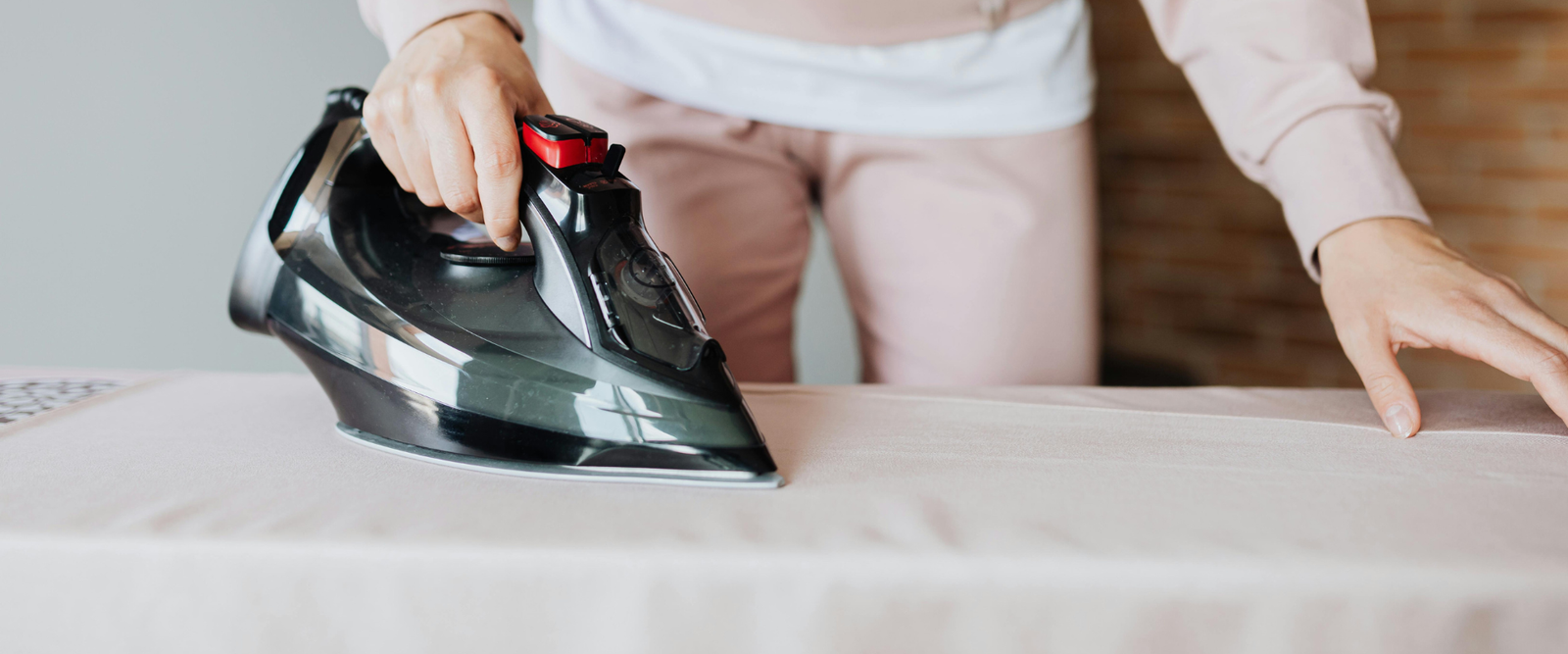
Most curtains can be machine washed, but it's important to use the correct settings. Most curtain fabrics should be washed on the delicate cycle at a maximum of 30 degrees Celsius with a mild detergent. To wash curtains gently, we recommend placing day curtains inside a large pillowcase and only filling the drum halfway. This prevents the sewn-on gliders from damaging the fabric. Remove the curtains from the machine immediately after the spin cycle and hang them up while still damp. This will save you the trouble of ironing. However, if small creases bother you, we recommend ironing the damp curtains on a low heat setting (one dot on the iron) and then hanging them up.
It's equally important that you only take the curtains down shortly before washing them to avoid creases. To prevent holes or other damage to the curtains during the washing process, you should remove all hanging mechanisms and any metal parts.
4. Which washing method is suitable for which curtain fabric?
There are several ways to wash curtains. Which method you choose depends primarily on the fabric. If you want to machine wash your curtains, please follow the instructions on the care label. For delicate or colorfast fabrics, hand washing is the best method. Opt for dry cleaning if the care instructions recommend it or if the fabric is particularly delicate.
Generally speaking:
- Curtains made of pure cotton or polyester You can easily wash curtains in the washing machine at 30 degrees. However, be careful not to wash them too often, as they can fade quickly.
- Velvet curtainsSilk , on the other hand, should preferably be cleaned by a professional cleaning company. These are very delicate fabrics. Therefore, you must not iron them at too high a temperature .
-
Linen curtainsAnd you shouldn't wash special sun protection curtains yourself. These curtains require special dry cleaning. An exception is our zinc sun protection day curtain – you can wash this curtain at home at 30 degrees.
If you want to be on the safe side, you should use a professional cleaning service for curtains made of silk, velvet, and other delicate fabrics. They can expertly clean and care for your curtains. You must handle delicate fabrics with particular care, as they can otherwise be damaged.
5. Home remedies for stains on curtains
Curtains are a great addition to any room, but they can quickly become unsightly if stained. Stained curtains are no cause for concern as long as you use the right methods and techniques. With a little time and patience, you can clean your curtains yourself and make them look like new again. Fortunately, there are some home remedies that can help you get rid of these stains.
Lemon juice : Lemon juice is a natural bleaching agent and is excellent for removing stains from curtains or drapes. Apply the juice directly to the stain and let it sit for a few minutes before rinsing it off with clean water.
Baking soda : Baking soda is another effective remedy for stains on curtains. Simply mix some baking soda with water to form a paste and then apply the paste to the affected area. Let the paste sit for half an hour and then wash it off with clean water.
Vinegar : Vinegar is another excellent home remedy for stains on curtains and drapes. Soak a cloth in vinegar and rub it over the affected area. Let the vinegar sit for half an hour, then wash the curtain with clean water.
• Castile soap : Castile soap is ideal for removing stubborn stains from curtains. Rub the castile soap directly into the affected area and leave it for at least 30 minutes (ideally overnight) before rinsing it off.
Tips for drying and ironing
Most curtains are made of polyester, cotton, or a blend of both fabrics. For all types of curtains: Pay attention to the manufacturer's instructions – this will help you prevent damage.
To dry your curtains, we recommend hanging them in a well-ventilated place. This will prevent mold and unpleasant odors. Air drying is best. If you need them to dry faster, use a gentle cycle and lower temperatures (maximum 60 degrees Celsius). It's essential that the curtains are hung smoothly – otherwise, they will wrinkle! You can also clip the damp curtains directly onto the track and let them dry there.
Only iron your curtains when absolutely necessary. If you do decide to iron them, be careful not to over-stress the fabric. A steam iron on the lowest setting is best for this task. For delicate fabrics, simply hanging them up is often enough to smooth out the creases. Ideally, you should divide the ironing process into two phases: First, iron the reverse side of the curtain, then turn it over and place it face down on the ironing board. This will prevent creases from forming in more exposed areas.
💡 Tip: Download our washing instructions as a PDF – perfect for printing! Click here to download (PDF).