




















Sewing curtains is a great way to give your home a completely new look. However, it can sometimes be difficult to find the perfect curtains that are both attractive and practical. In this tutorial, we'll look at how to sew curtains that are both stylish and functional.
1. Which curtain fabric is the right one?
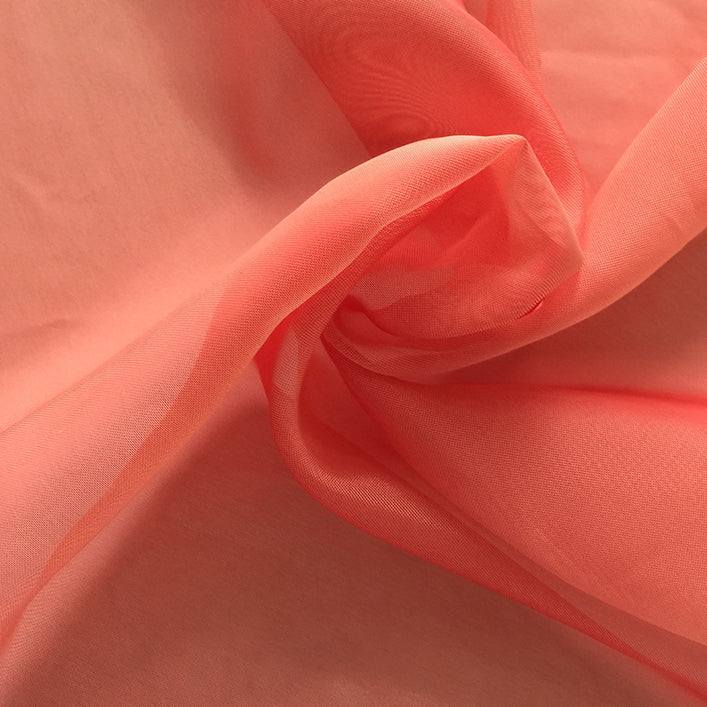
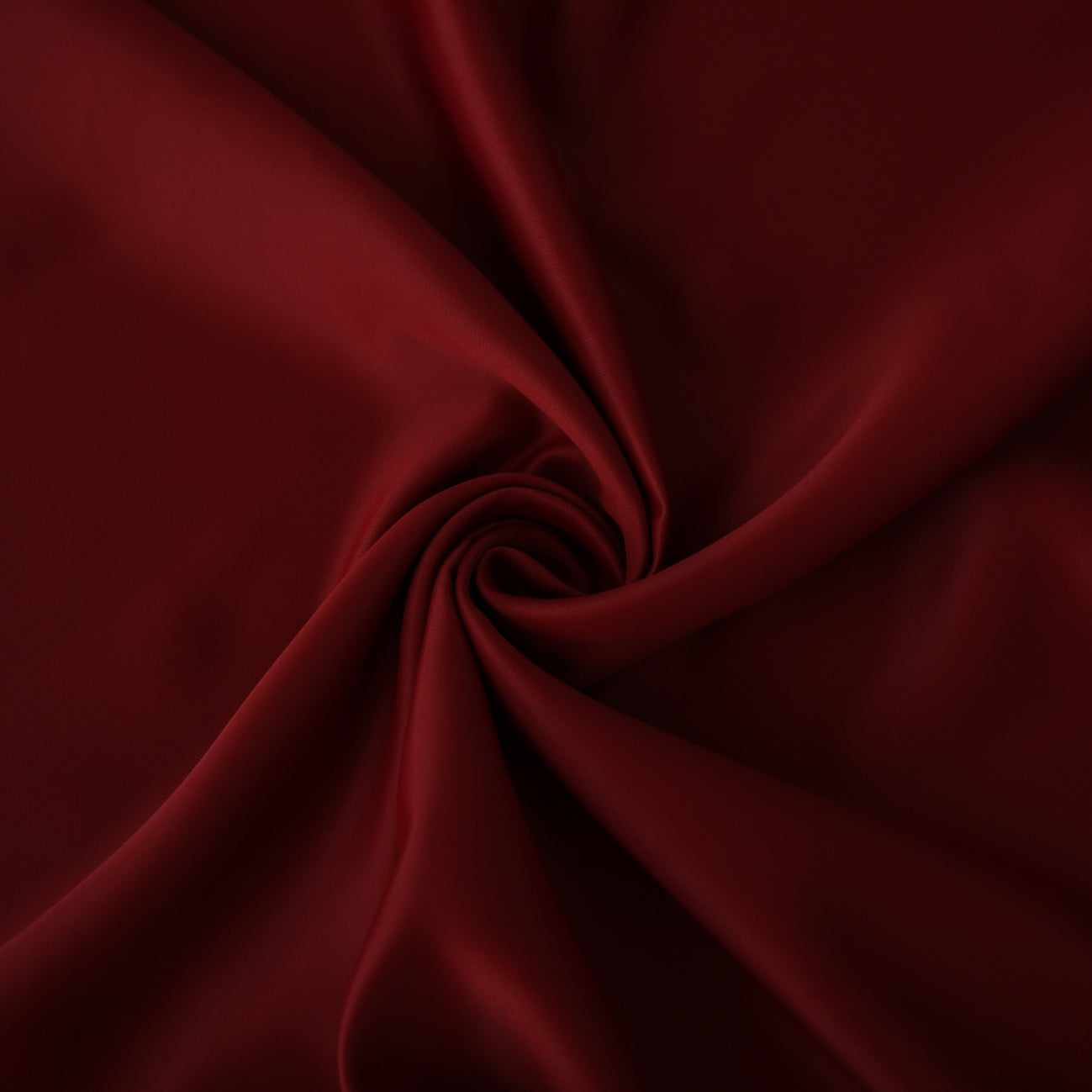
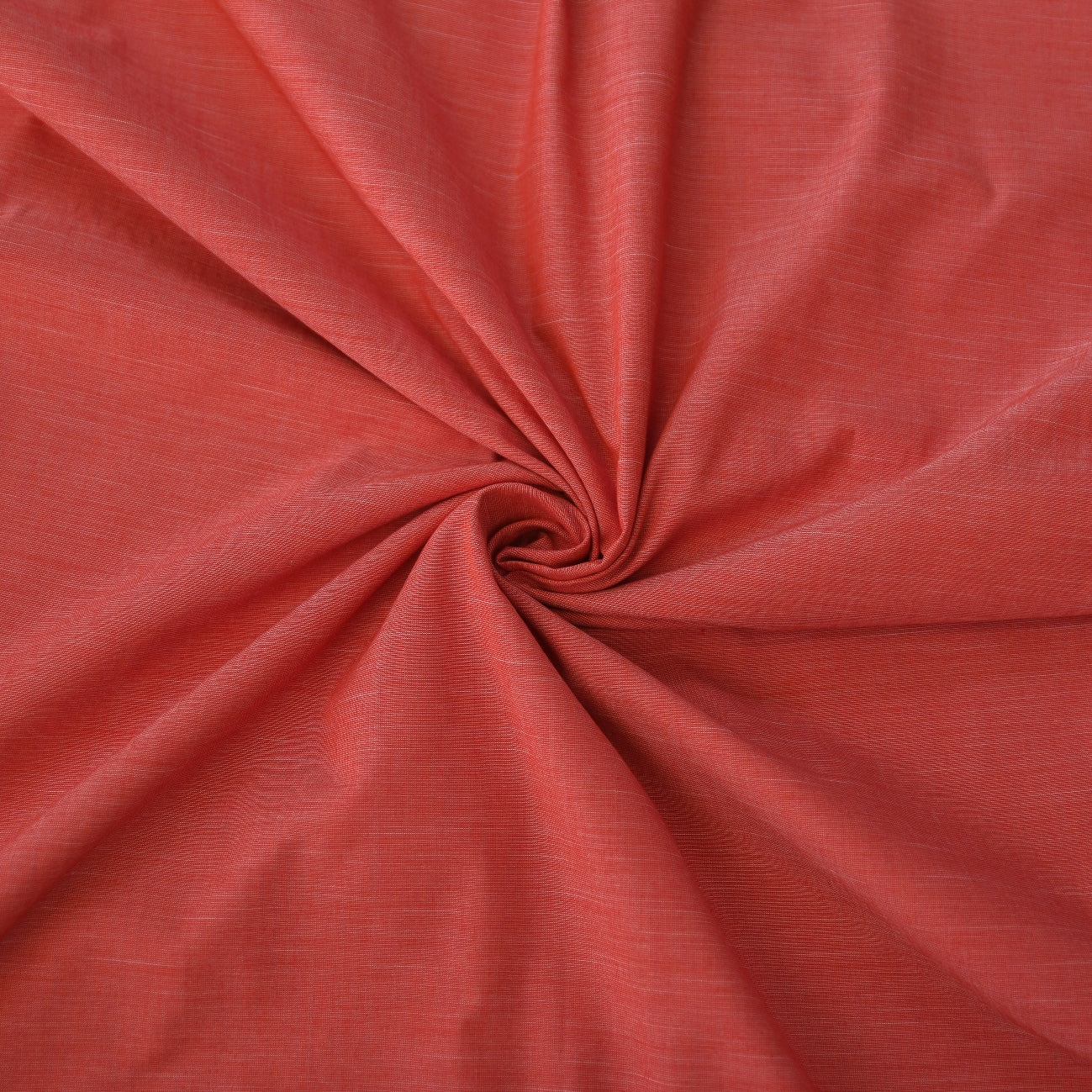
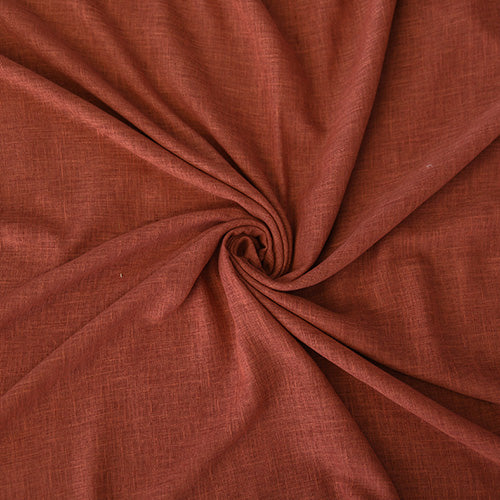
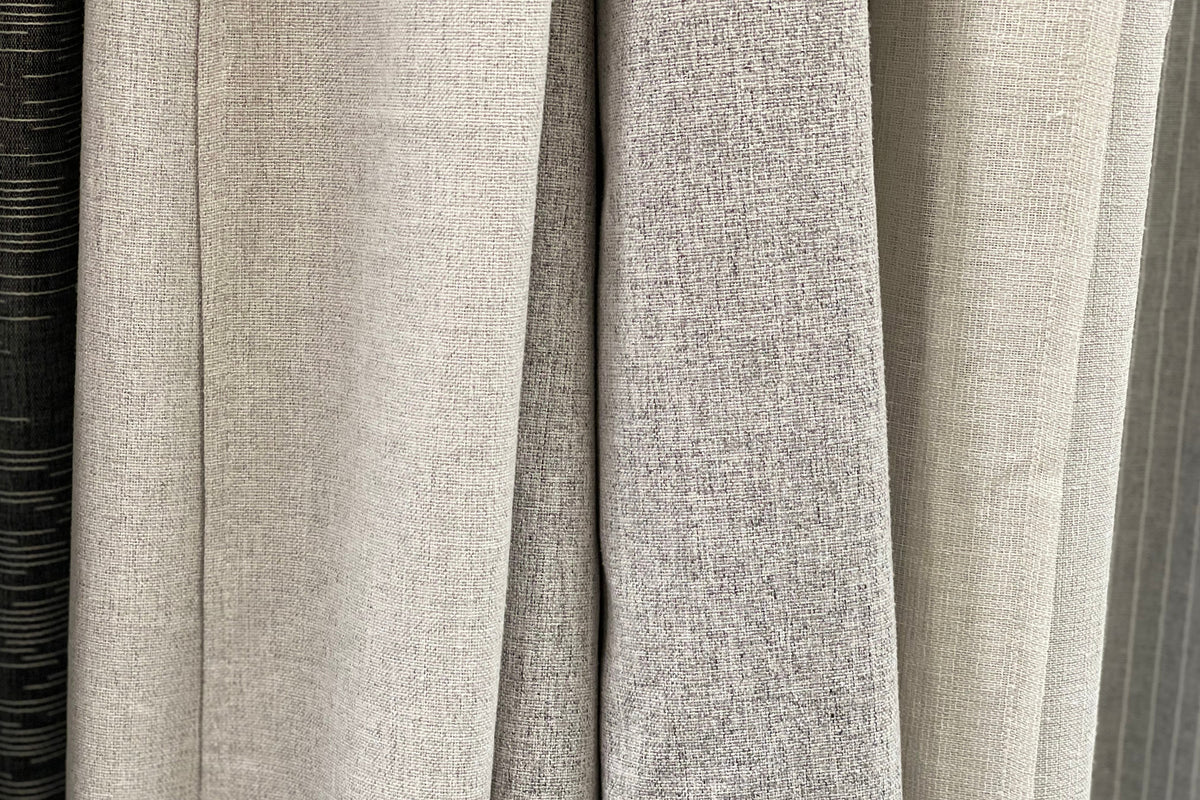
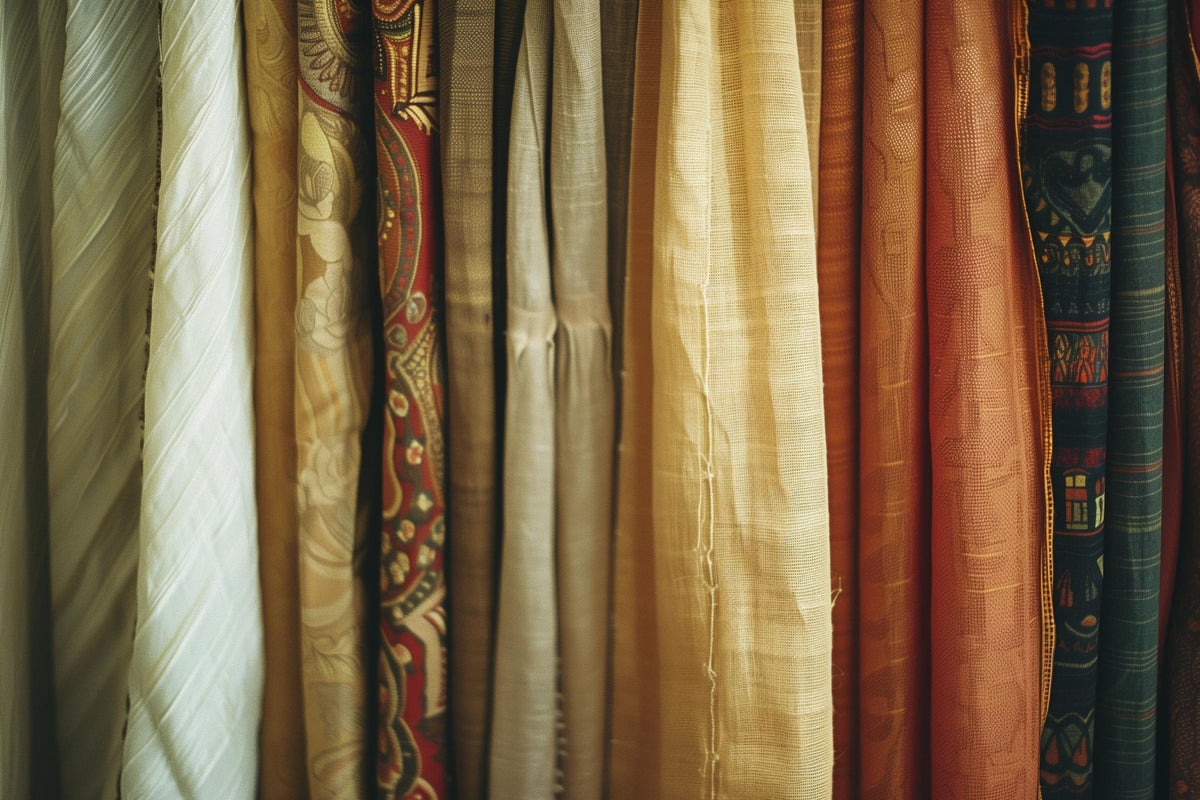
Curtain fabrics come in a wide variety of materials, colors, and patterns. The selection is huge, and making a decision is often difficult. Here are a few tips on what to consider when choosing curtain fabrics. Purchase of curtain fabrics You should pay attention to:
- Pay attention to the quality of the fabric. The higher the quality of the fabric, the more durable it will be and the better it will retain its shape. curtains their shape.
- If you have bedroom curtains If you want to sew, you should have one opaque curtain /fabric or even a blackout curtain Choose a setting that allows the room to be darkened even during daylight hours.
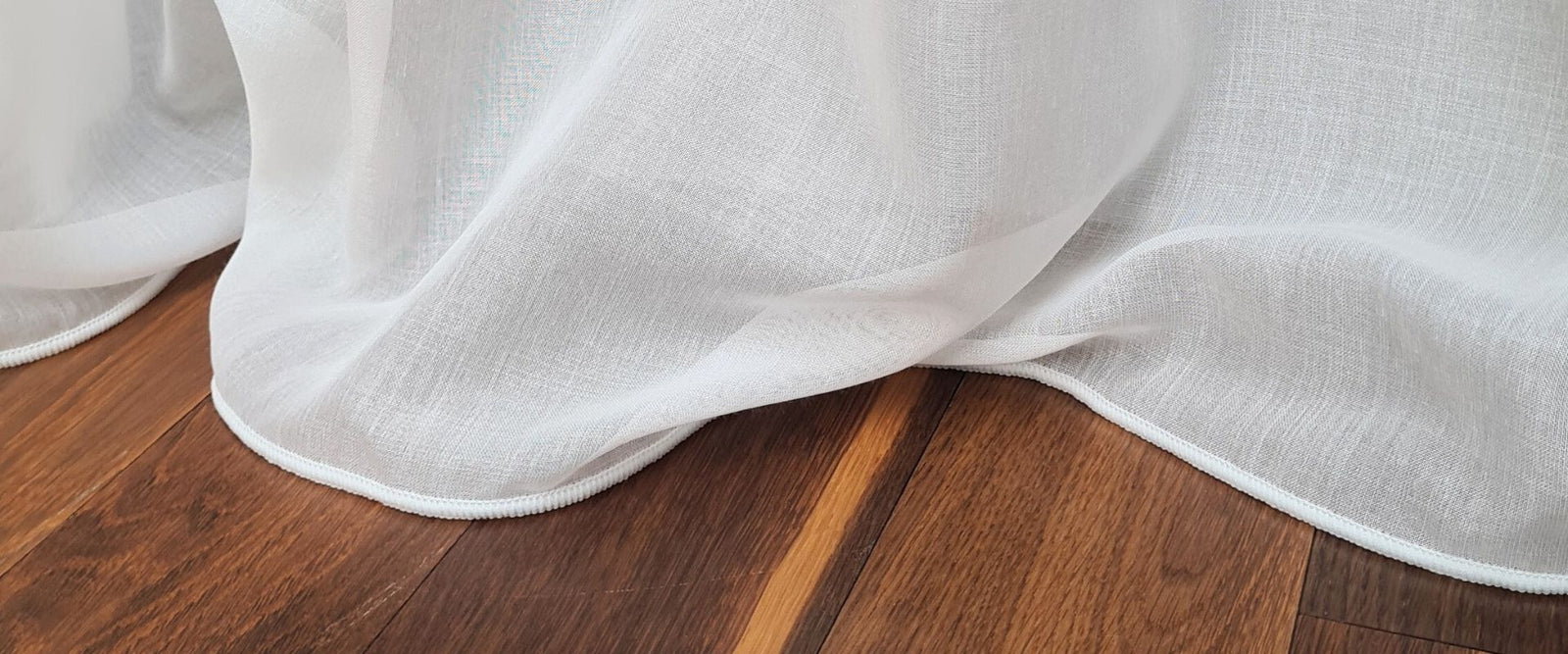
- Transparent or semi-transparent curtain fabrics are ideal for the living room, as they let light through and make the room appear brighter.
First and foremost, you should consider what purpose the curtains should serve. Are they primarily for decoration, or should they also protect against light and heat? The size of the window also plays a role in choosing the fabric. Thicker fabrics are suitable for large windows, while lighter polyester or linen are better for smaller windows.
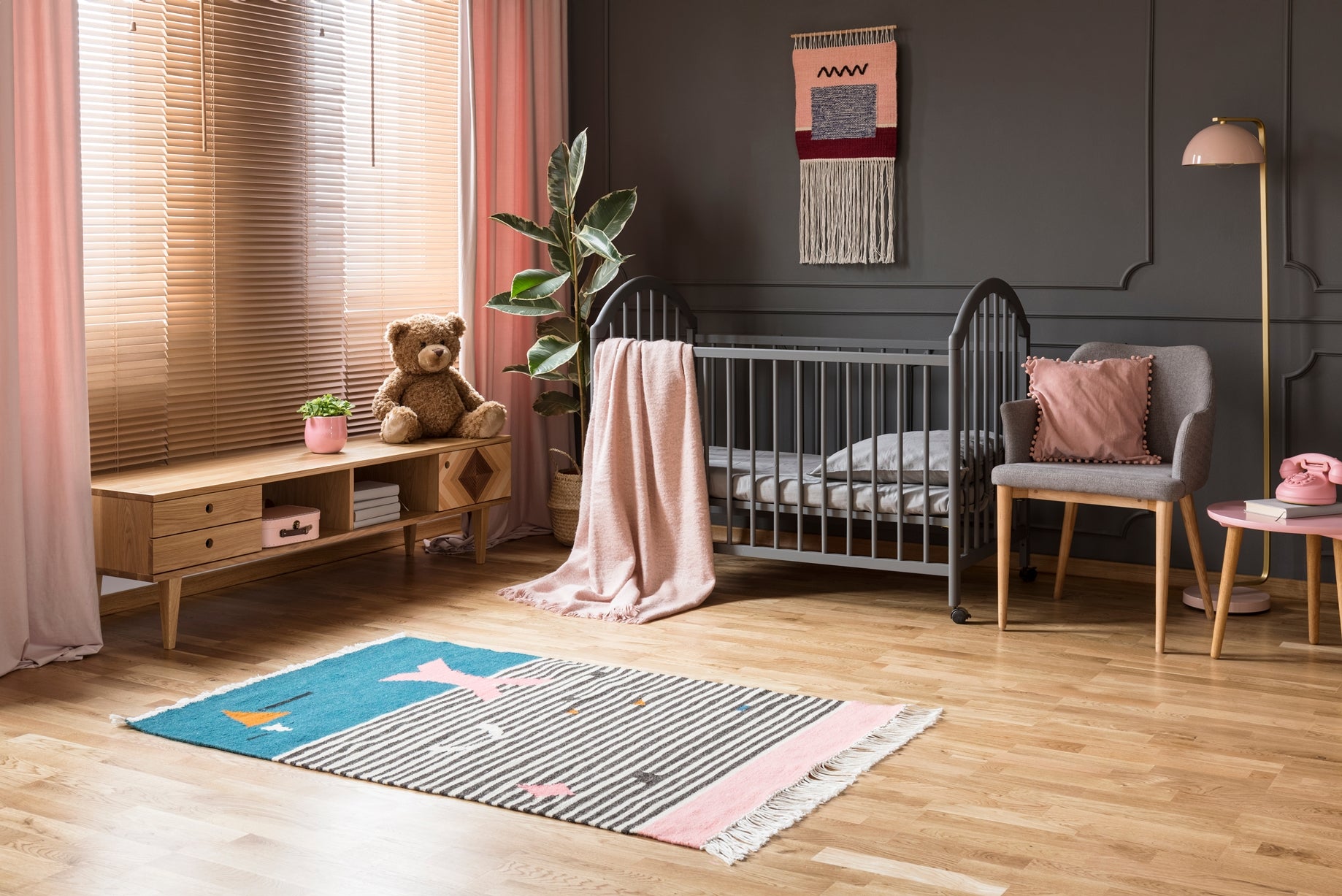
The color of the fabric is also crucial. Dark colors darken the room more and are therefore more suitable for bedroom curtains or living room curtains suitable. Lighter colors make the room appear brighter and more inviting and are therefore ideal for kitchen curtains , Children's bedroom curtains or Bathroom curtains .
Tip: The larger the room, the heavier the fabric should be. Thick curtain fabrics are ideal for large rooms, as they create a cozy and inviting atmosphere. Lighter fabrics, on the other hand, are better suited for smaller rooms, as they don't darken the room as much. We also offer you... Swiss Curtain the possibility all Curtain fabrics as free sample to order to your home.
2. How do I determine the perfect size for my curtain?
Before you start sewing your curtains, you need to make sure they are the right size. day curtains Curtains should be at least as long as the windowsill and can reach the floor or slightly beyond. Curtains that are too short look incomplete, while curtains that are too long make the room appear smaller.
The width of the curtains depends on the size of the window and the desired drape density. For a small window, you should have at least... 2 layers of fabric use while for a large window 3-4 layers That should be enough. If you want denser pleats, you can use more layers of fabric.
To help you calculate the perfect size for your curtains, we have created our Step-by-step instructions for the measuring aid compiled.
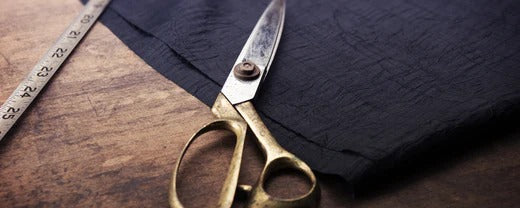
Tip: Cutting the fabric is one of the most important steps in sewing curtains. Always cut the fabric with sharp scissors and avoid stretching or tearing it. Cut the fabric in straight lines so that it is easier to sew later.
3. Which hanging system is suitable for my curtain?
Curtains are not only an important part of the decor, but can also influence the atmosphere of a room. Choosing the right hanging system is therefore crucial for sewing perfect curtains yourself.
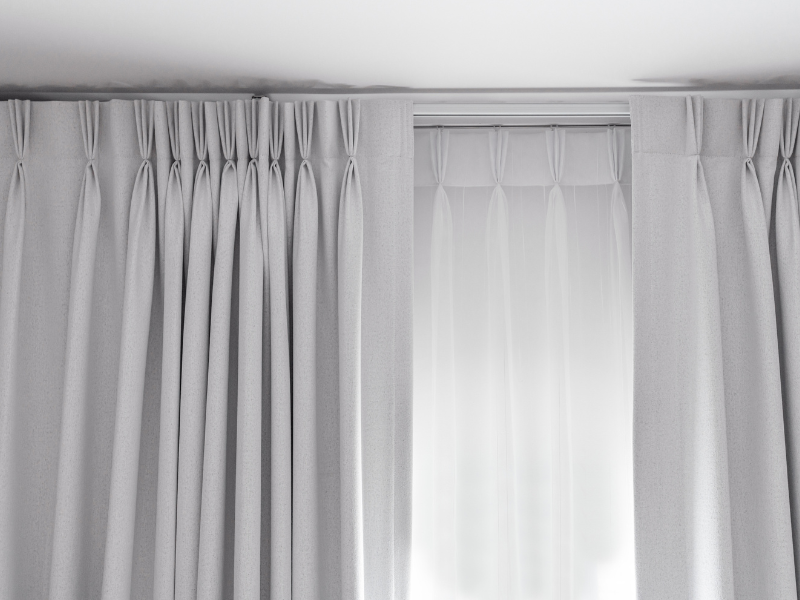
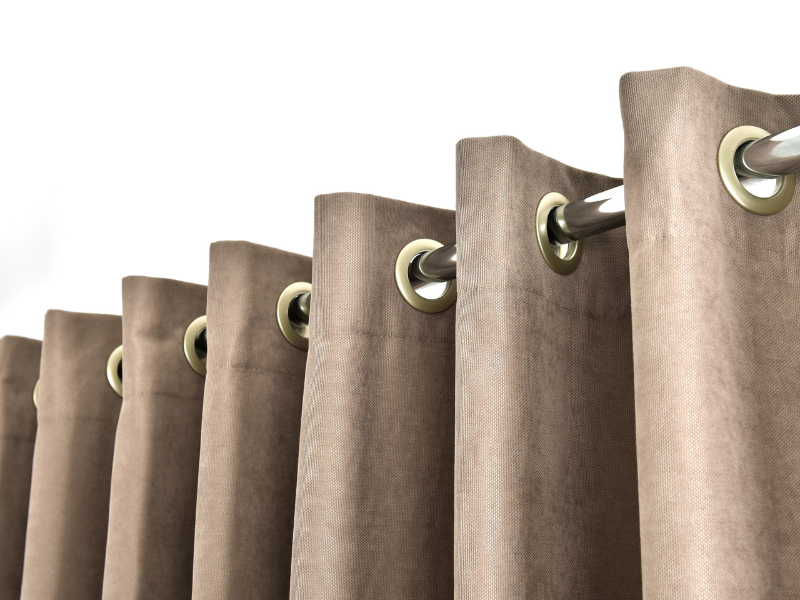
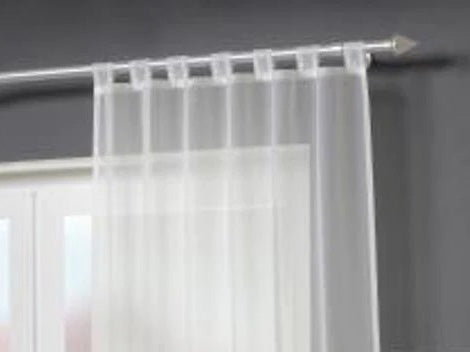
There are various types of curtain hanging systems, each with its own advantages and disadvantages. The most common are curtains with gliders . Curtains with eyelets , curtains with wave weave and Loop curtains .
The choice of fastening method depends on the size and weight of the curtains. For heavy curtains, it is advisable to... Instead of using a click glider, use the fixed VS57 gliders. This type of curtain is sturdy and looks very elegant. A simple loop curtain is sufficient for light curtains; curtains with Glider or a pleated curtain with eyelets.
Sewing your own curtains is a challenge, and the difficulty increases with certain hanging mechanisms. The easiest way is a Folding tape or a loop curtain. The advantage of pleating tape is that the pleats remain unchanged after washing.
4. What do I need to consider when sewing curtains?
Sewing curtains is not rocket science! If you follow a few simple steps, you can sew your own curtains that look just as good as those made by a professional.
· The hem
The hem is the bottom and side edge of the curtain and should be neatly sewn so that the curtain hangs correctly. It's best to sew the hem with a large-eye needle and strong nylon thread (to prevent tearing). Use a French seam to finish the hem neatly and ensure that no threads are sticking out.
· The upper envelope
Sew the top edge of the curtain with a double or triple stitch. This prevents the fabric from fraying or coming undone. Take the gathering tape and place it on the top of the curtain, overlapping the ends. Sew the gathering tape to the top edge of the curtain to create a hem. Then, neatly trim the corners of the gathering tape.
· Hanging
You can now attach gliders to the gathering tape, metal rings, or other hanging devices depending on the desired look. Completely according to your preferences and the right design for your day curtain or Blackout curtain . Make sure the curtain hangs evenly and doesn't wrinkle. Then attach the curtain to the curtain rod and check again that it hangs evenly and doesn't wrinkle.
5. How should I fold and iron my curtains?
After you've sewn your curtains, it's time to fold and iron them. This is an important step to ensure your curtains fit perfectly and look neat. Follow these simple steps to fold and iron your curtains.
- First, you should fold your curtains in the middle. To do this, place the curtain rod in the middle of the fold and bring the two sides of the fold together.
- Next, you should turn your curtains inside out and smooth the edges.
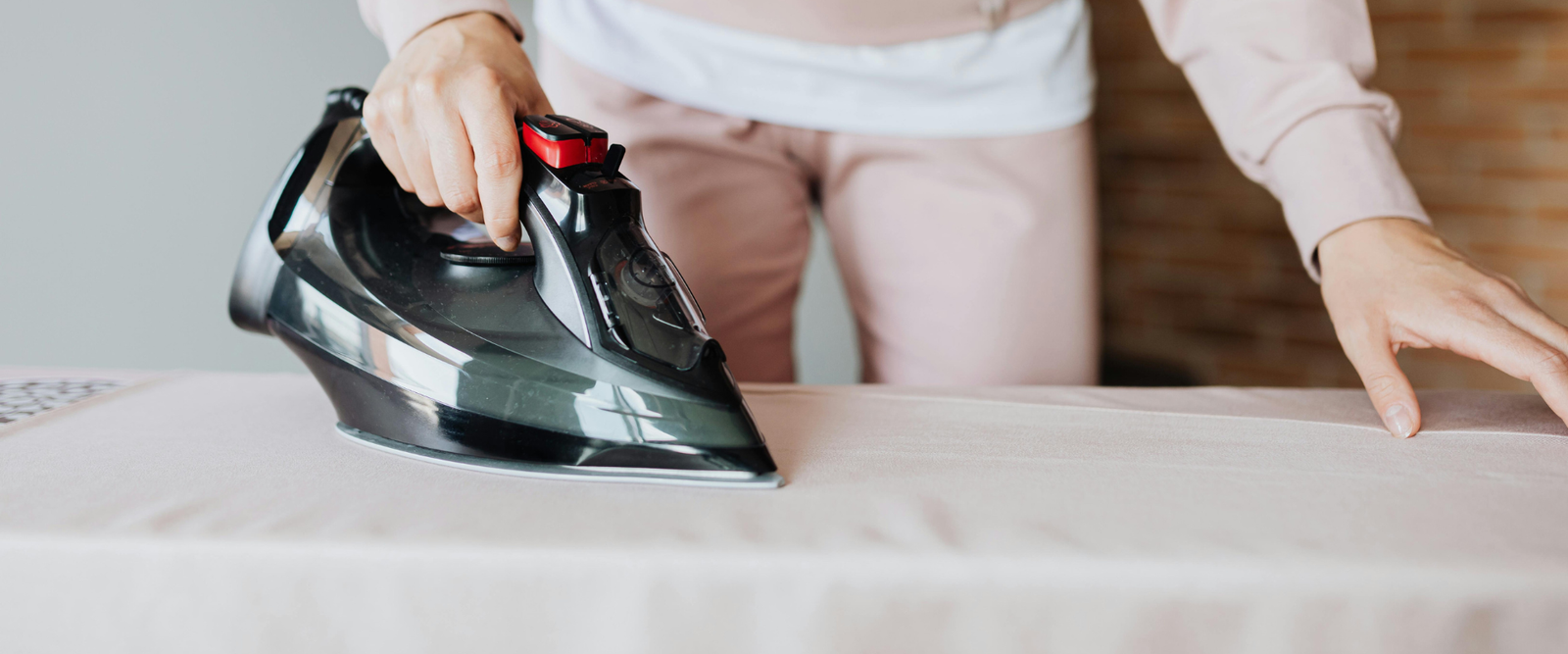
- Now you can iron your curtains. Always start at the bottom of the curtain and work your way up. Make sure the iron isn't too hot, otherwise the pleats in the curtain could be damaged.
- Once you're finished, turn your curtains right side out again and attach them to the rod. Now your perfectly folded and ironed curtains are hanging on the rod and ready to use!
6. Conclusion - Sewing your own curtains made easy
Sewing is a fantastic way to create custom-designed curtains that perfectly match your personal style. Of course, it requires some practice and a delicate touch, but with a little patience and enjoyment, it's no problem at all. There are various types of curtains you can sew yourself. These include classic long curtains, but also bathroom curtains. A variety of fabrics are available for all these types of curtains, ensuring there's something to suit every taste and requirement.
For those who don't have the time or inclination to do it themselves, Vorhangschweiz offers the option of having curtains custom-made and sewn to measure. We rely on Swiss sewing workshops and short supply chains. You can also consult our textile advisors at home for measurements and benefit from our free in-home consultation .